Guide
How to show artwork in a room: four ways compared
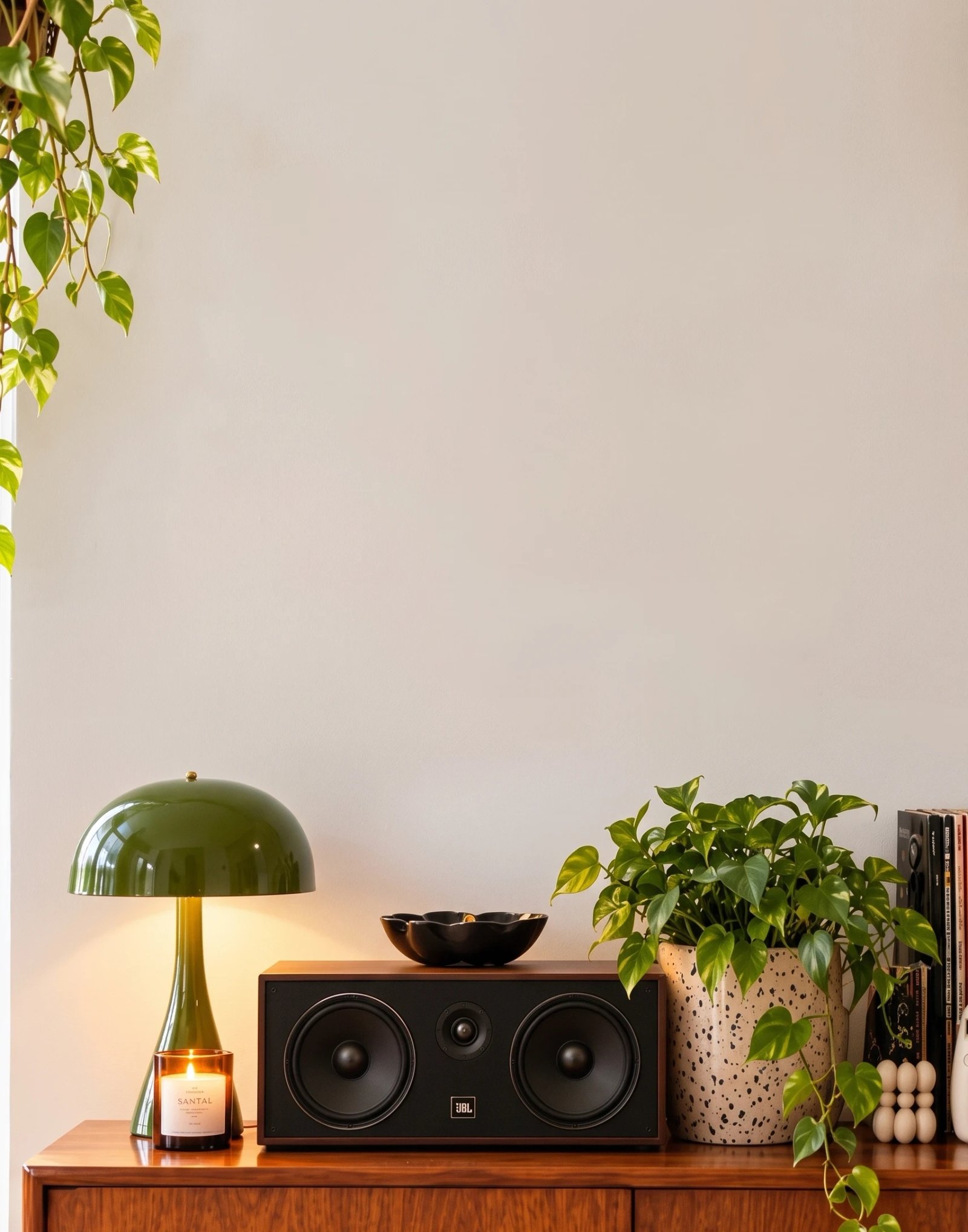
The short answer: put a straight photo of the work into a photo of a real room, at its true size, hung above a piece of furniture. The furniture is what tells a buyer how big the work is.
There are four ways to get that image. This guide compares what each costs, how long it takes and when it is the right one.
Try it: your work in a room, at its real size
JPG, PNG or WebP. Free, no account, no watermark.
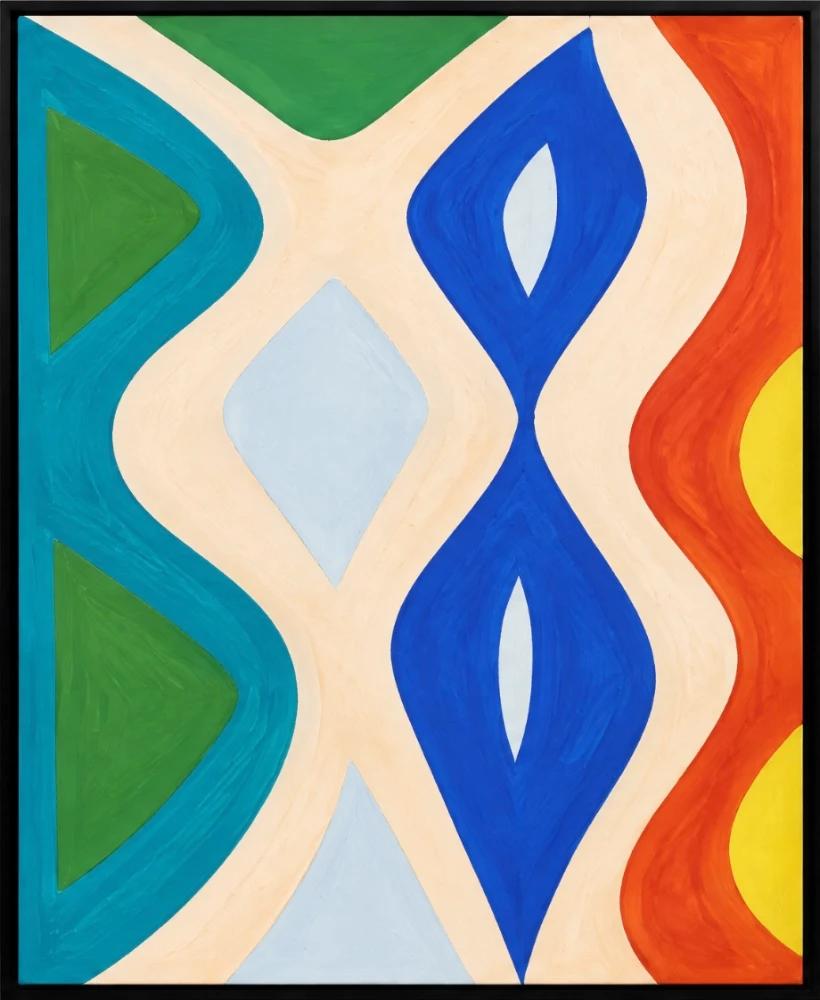
A sample painting, 50 × 44 cm, hung at its real size. Drop your artwork in above and it takes its place here and in every room below.
Rooms on this page
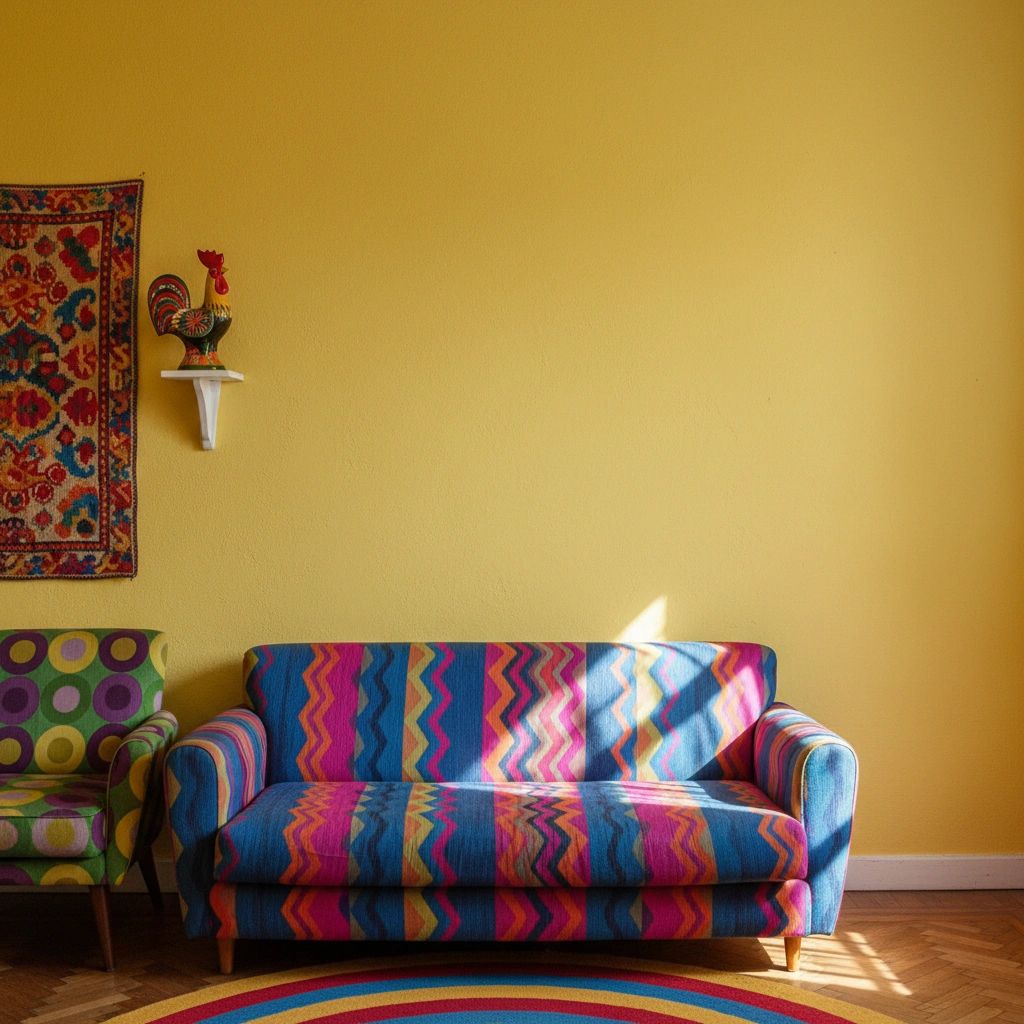
12 × 16 in · 30 × 41 cm
24 × 32 in · 61 × 81 cm
30 × 40 in · 76 × 102 cm
The four ways compared
| Method | Cost | Time | Best for |
|---|---|---|---|
| Photograph it at home | Free | An hour per work | One-off originals, if your own walls suit the work |
| Staged photo shoot | £300 to £1,500 a day | Days, with booking | Hero images for a show, a fair or a major sale |
| Mockup template | £5 to £30 per template | Minutes, after setup in editing software | Prints sold in fixed sizes, where sameness matters less |
| Place it in a room photo at true scale | Free to start | About a minute | Any work, at volume, with a different room per image |
1. Photograph it at home
Hang the work on a plain wall near a window, with a chair, a console or a sofa in the frame for scale, and shoot straight on from the work’s centre height. It is free and honest, but it shows your home, not the buyer’s, and every work ends up on the same wall. How to photograph paintings covers the light and camera position.
2. A staged photo shoot
A photographer and a stylist in a furnished location give the best images money can buy, which is why galleries use them for a show’s lead image. The cost and the scheduling put them out of reach for every work in a catalogue or every listing in a shop.
3. A mockup template
A template is a room photo with a frame-shaped hole you drop your image into in editing software. They are cheap and quick once set up. The drawbacks:
- The popular ones appear in thousands of shops, so buyers recognise them.
- The frame is a fixed size, so a 20 cm study and a 120 cm canvas look the same.
- The frame’s shape has to match the work’s, or the work gets cropped.
4. Place it in a room photo at true scale
A tool that knows the room’s real dimensions can hang the work at its actual size, at a realistic height, with a shadow that matches the room’s light. That is what Situ.art does: upload the work, enter its size, and it appears in hundreds of real rooms at once. You can also describe a room and have one created around the work, or add people and furniture to a scene. The work itself is never altered.
Which room to choose
- Match the buyer, not the artist. A print sold to first-time buyers belongs in a flat; a period oil belongs in a drawing room.
- Include furniture. A work on a bare wall gives no sense of size. A sofa, bed, fireplace or console does.
- Keep the walls quiet. A busy wallpaper or a competing work pulls the eye away.
- Use more than one. Two or three rooms show the work suits more than one kind of home.
Questions
- What is the best way to show artwork in a room?
- Place a photo of the work into a photograph of a real room at its true size, hung at a realistic height above furniture. Buyers judge size from the furniture around the work, so a room shot answers the question a flat photo cannot: how big is it?
- What does "in situ" mean for artwork?
- In situ means shown in place: the work on a wall in a real setting rather than on a white background. Galleries and auction houses use in situ images alongside the straight shot of the work.
- Are mockup templates good enough to sell art?
- For prints sold in a few fixed sizes, often yes. Their weakness is that the same templates appear across thousands of shops, and most do not hang the work at its real size, so a small print can look like a large canvas.
- Can I show artwork in a room without Photoshop?
- Yes. Situ.art runs in the browser: upload a photo of the work, enter its dimensions and it hangs at that size in hundreds of real rooms. Downloads are free and have no watermark.
Show your work in a room in a minute
Upload a photo of the work, add its size, and it hangs at that size in hundreds of real rooms. Free, no watermark, no account needed to start.
More guides: Wall art size guide, Art print sizes and ratios, Art print sizes for Etsy, Photographing paintings to sell online, Showing art at scale, Art above a sofa, Best wall art mockup generators.